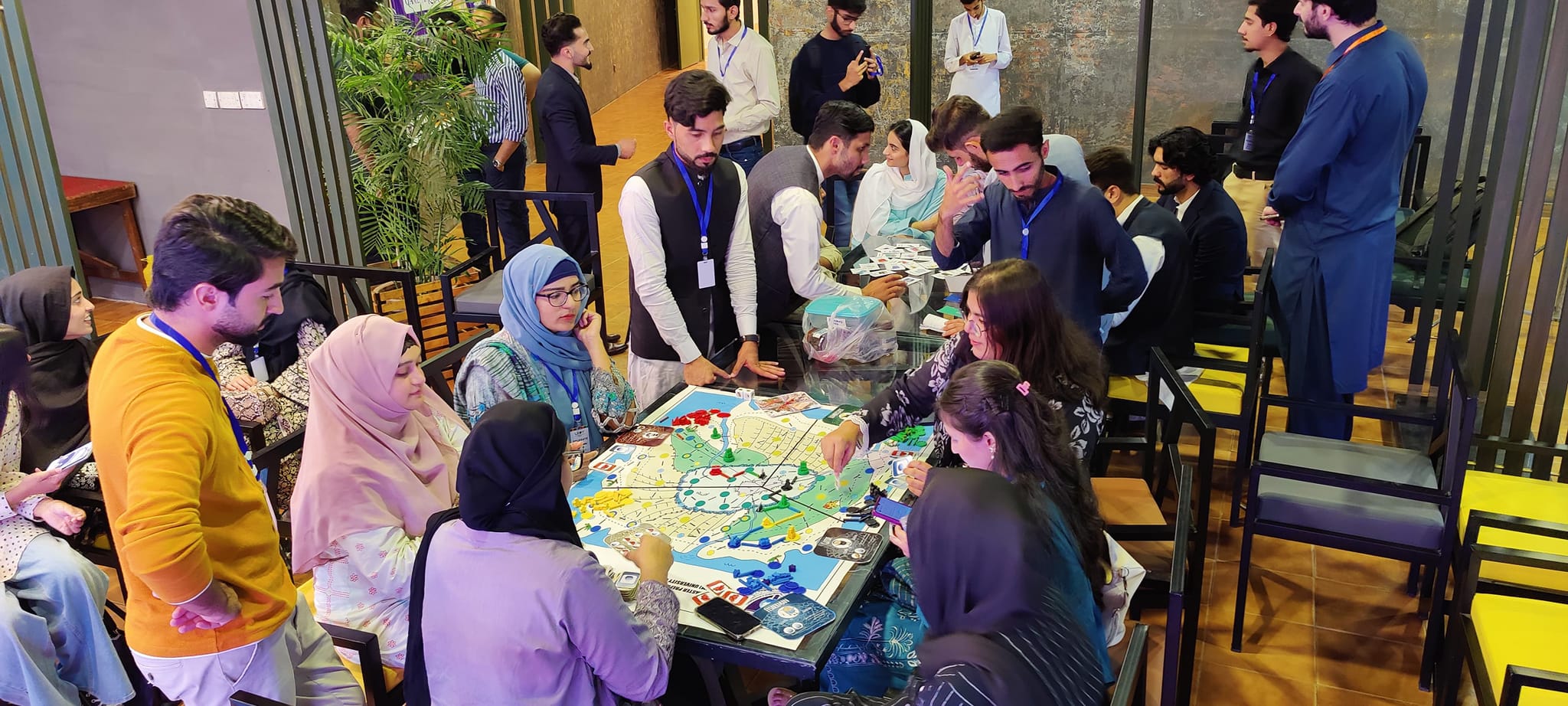
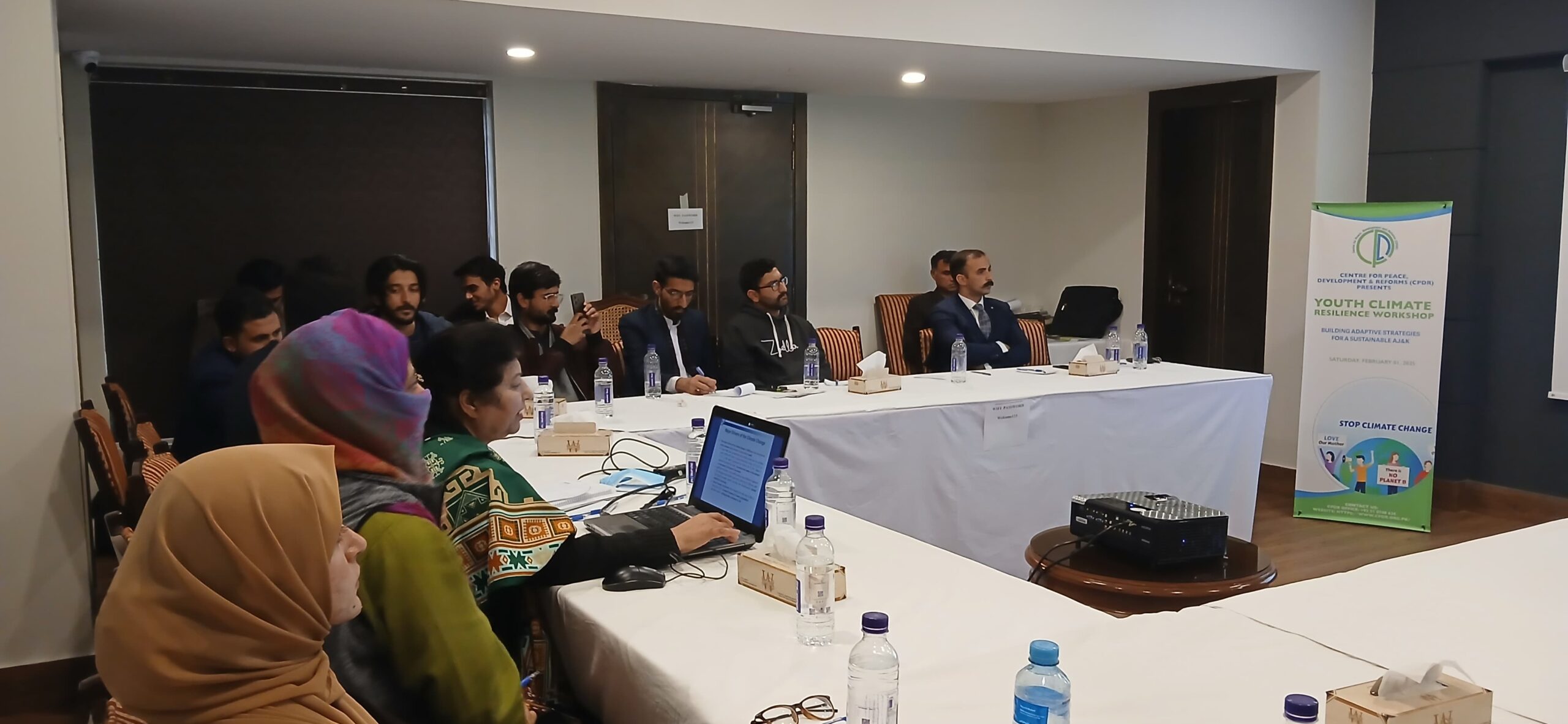
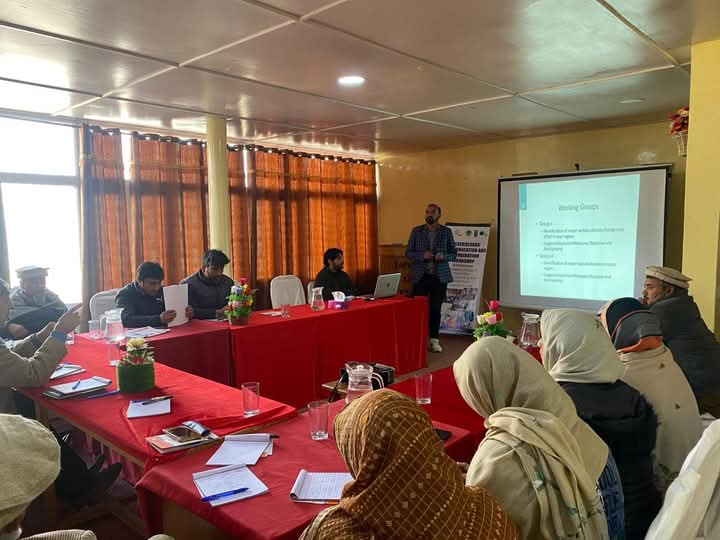
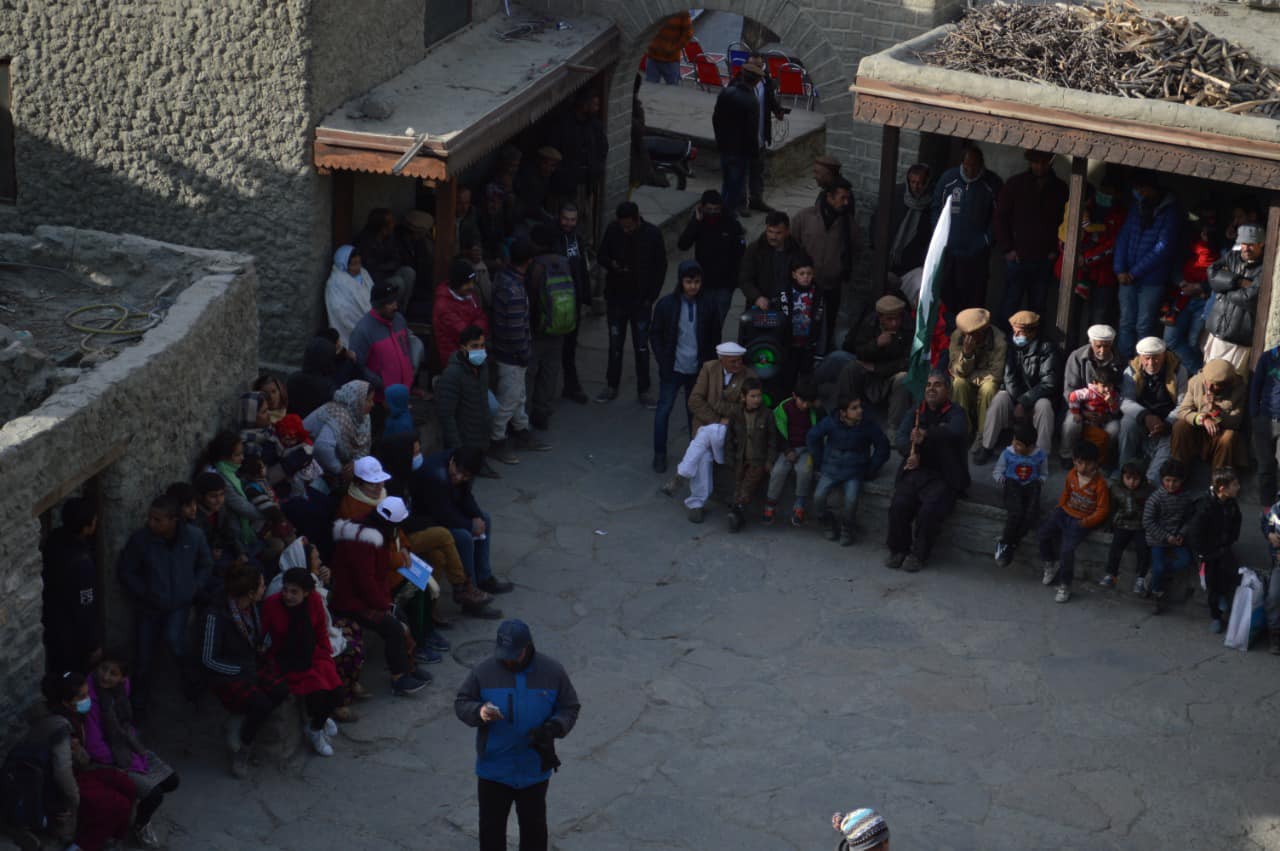
Every winter YANG hosts a week-long residential school in Karimabad where 60 Burusho, Shina and Balti youth translate ancestral water-sharing customs, glacier observation songs and botanical taxonomies into policy briefs for the next NDC update. Outputs from the 2024 Assembly—such as the “Glacier Glossary” integrating Wakhi phenological terms with scientific metrics—were tabled at the Ministry of Climate Change’s NAP stock-take meeting in Islamabad. The Assembly is now institutionalised through an MoU with the Karakoram International University, ensuring annual indigenous-youth participation in national climate negotiations.
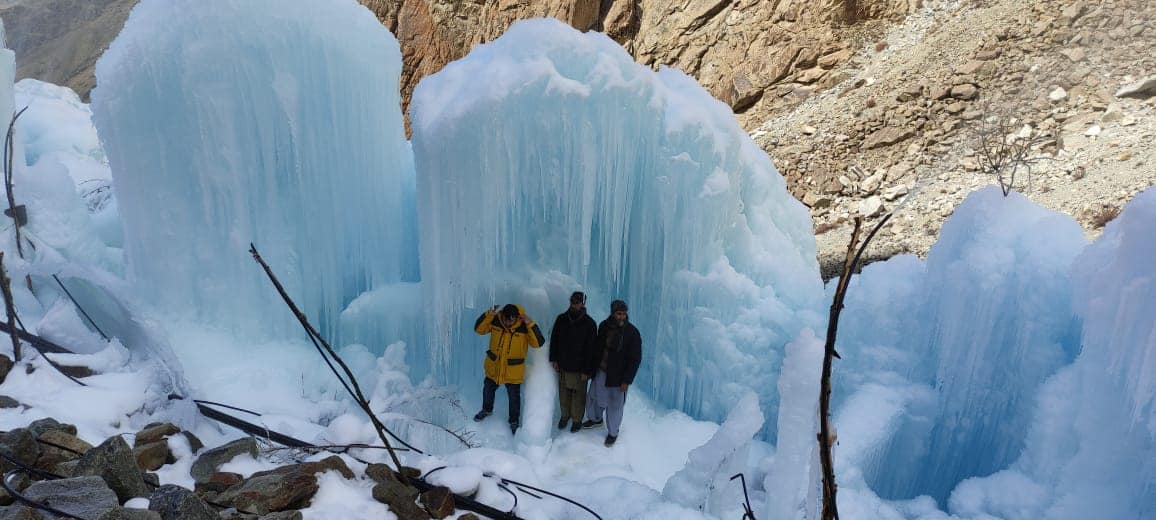
Stretching from the cedar forests of Daghoni to the icy sentinel valleys hugging the Siachen Glacier, the Glacial Guardians Youth Network is YANG’s newest Indigenous-led initiative. Here, 140 Burusho, Shina and Balti youth—half of them young women—serve as frontline observers of glacier retreat, melt-water pulses and shifting pasture boundaries. Armed with lightweight drones, smartphone thermal sensors and centuries-old oral mapping traditions, they upload real-time data to a bilingual Wakhi-English dashboard that feeds directly into Pakistan’s NDC and NAP reporting cycles.
Monthly “Ice-to-Valley” caravans trek down to district headquarters in Skardu and Gilgit, where Guardians present glacier-health scorecards to provincial ministers, military commanders and the GB Disaster Management Authority. Their 2024 brief convinced the Planning Commission to insert a dedicated “Indigenous Youth Glacier Monitoring” annex into the upcoming NAP 2025-30, allocating 5 % of all adaptation funds to valley-level micro-projects designed and executed by youth committees.
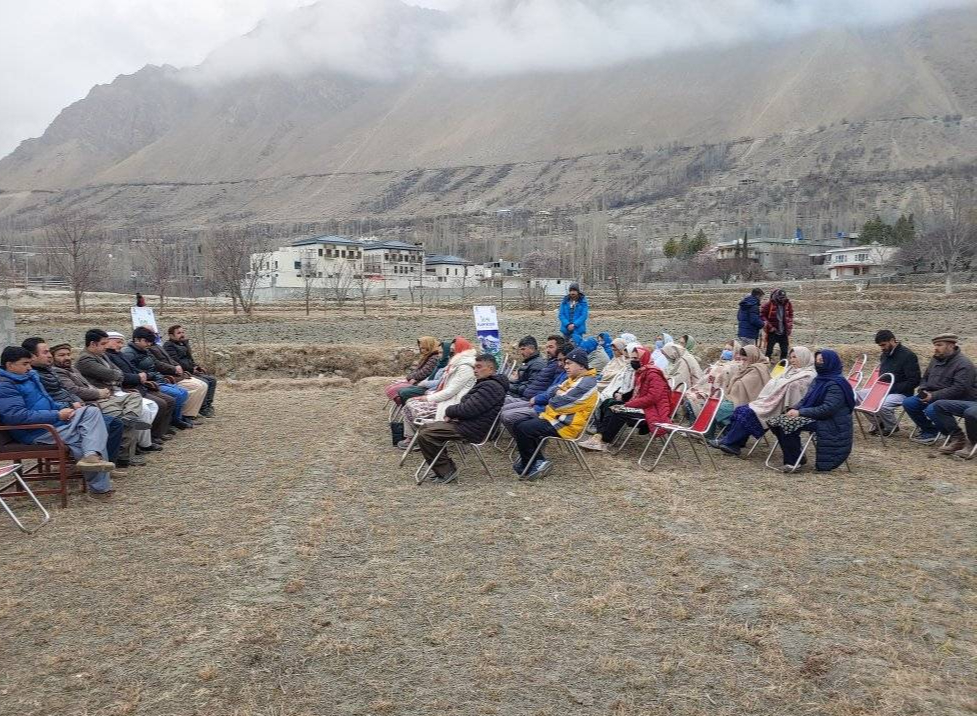
Beyond data, the network runs storytelling circles in village mosques and schools, translating satellite images into local folk songs that explain albedo loss and black-carbon impacts. The Guardians’ rallying cry—”From Daghoni to Siachen, our mountains, our future”—is now trending under #YouthEmpowerment, uniting thousands of mountain voices for a resilient, just and glacier-secure tomorrow.
Perched above the Hunza River, Ice Topa’s steep slopes were losing soil and sacred springs every summer. In 2023 YANG’s indigenous-youth corps partnered with the Burusho Village Conservation Council to re-plant 100 000 climate-hardy Betula utilis, Juniperus excelsa and seabuckthorn. Seedlings are raised in nurseries run by Shina women’s self-help groups; GPS-tagged survival monitoring is handled by local school eco-clubs using a bilingual Wakhi-Urdu app we co-designed. Beyond carbon sequestration, the restored forest belt now stabilises 42 ha of avalanche-prone slopes and has increased late-season stream-flow by 18 %, securing irrigation for 350 downstream terraces. The project is written into the Gilgit-Baltistan Forest Department’s 2024-29 management plan, making indigenous youth co-signatories on a binding conservation agreement for the first time.
YANG’s Policy Lab turns community-driven wetland restoration into provincial law. Working with the Nagar and Hunza Valley Councils, we mapped 650 ha of degraded peat-bogs using drones and traditional knowledge walks with Burusho elders. The resulting data package informed a by-law that now requires all new road projects to include buffer strips and bio-swales. Youth facilitators from the Shina community chair quarterly stakeholder round-tables where wetland-health indicators are reviewed and micro-grants for native reed nurseries are approved. The by-law was adopted verbatim by the GB Planning & Development Department in June 2024, and our youth policy fellows sit on the provincial NAP review committee.
In the arid Rondu Valley, retreating glaciers and erratic snowfall have dried 27 perennial springs. YANG’s Balti youth engineers combined GIS mapping of recharge zones with centuries-old stone-aquifer techniques to revive 11 springs serving 1 200 households. The governance twist: each spring now has a “Spring Parliament” chaired by a female youth delegate and a village Imam, meeting monthly to enforce rotational grazing bans and report violations via SMS to the Assistant Commissioner. The model is being upscaled across the Skardu district as a climate-adaptation annex to the 2025 Local Government Act.
Over-grazing by migratory Bakarwal herders and local Balti yak herders was accelerating peat erosion on the Deosai plateau. YANG convened a tri-lateral forum that produced a rotational grazing calendar co-signed by the Wildlife & Parks Department, the Balti Yak Herders Association and Bakarwal elders. Low-cost check-dams and vetiver contour strips installed by youth crews have increased soil moisture 22 %, while GPS-enabled “Pasture Pass” cards prevent double-grazing. The protocol is now annexed to the Deosai National Park Management Plan 2025-30, with indigenous youth rangers empowered to issue on-the-spot fines.