
Shamim
- 12 October 2024
Project Overview
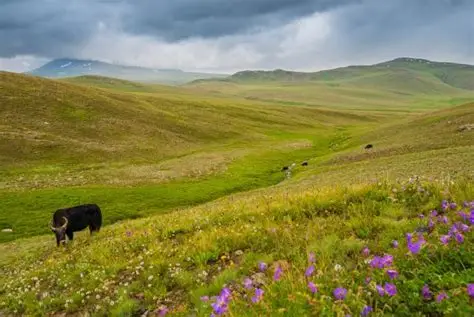
Overgrazing by both migratory Bakarwal herders and local Balti yak herders has been accelerating peat erosion on the ecologically fragile Deosai plateau — one of the highest alpine plains in the world. This degradation threatened not only biodiversity and soil health but also the sustainability of traditional pastoral livelihoods.
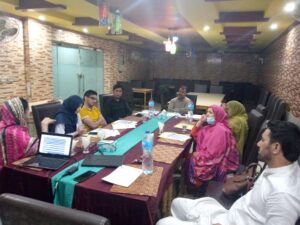
In response, YANG facilitated a tri-lateral governance forum that brought together government authorities, indigenous herders, and conservationists to co-develop a sustainable solution rooted in traditional knowledge, youth leadership, and climate-smart land management.
Project Objectives
-
Prevent further peatland degradation caused by overgrazing and soil erosion.
-
Promote equitable and rotational grazing access between migratory and resident herders.
-
Increase soil moisture retention through nature-based restoration techniques.
-
Empower indigenous youth to take stewardship roles within protected area governance.
-
Institutionalize sustainable grazing protocols in official park management frameworks.
Key Interventions
1. Rotational Grazing Calendar
-
Developed through community dialogue and signed by:
-
Wildlife & Parks Department
-
Balti Yak Herders Association
-
Bakarwal Elders
-
-
Balances pasture access based on seasonality, herd size, and peat vulnerability zones.
2. “Pasture Pass” GPS System
-
GPS-enabled grazing access cards issued to herders.
-
Prevents double-grazing and enables real-time monitoring of herd locations.
-
Data integrated with park rangers’ monitoring tools.
3. Youth-led Soil Restoration
-
Local youth trained to build low-cost check-dams and plant vetiver grass contour strips.
-
These green infrastructure elements slow runoff and reduce erosion on vulnerable slopes.
4. Community-Based Enforcement
-
Indigenous youth trained and deputized as “Youth Rangers”.
-
Authorized to issue on-the-spot fines for grazing violations.
-
Foster peer accountability and reduce external enforcement burden.
5. Policy Integration
-
The co-developed grazing protocol is formally annexed to the Deosai National Park Management Plan (2025–2030).
Results & Impacts (as of 2025)
| Indicator | Outcome |
|---|---|
| Soil Moisture Retention | +22% increase due to vetiver strips and check-dams |
| 🐐 Grazing Conflicts | Reduced by 70%, according to local conflict resolution councils |
| 🛰 Double-Grazing Incidents | Near-zero reported since launch of “Pasture Pass” |
| Indigenous Youth Trained | 35 youth rangers and 50 ecological restoration workers |
| 📜 Policy Status | Protocol adopted into official park plan (2025–2030) |
Why It Matters
This project is a model of climate-smart governance that respects indigenous pastoral traditions, promotes youth empowerment, and aligns with both biodiversity conservation and livelihood resilience. By integrating modern tools with community knowledge, the Deosai plains are being managed more sustainably — for the people who depend on them and the ecosystems they support.