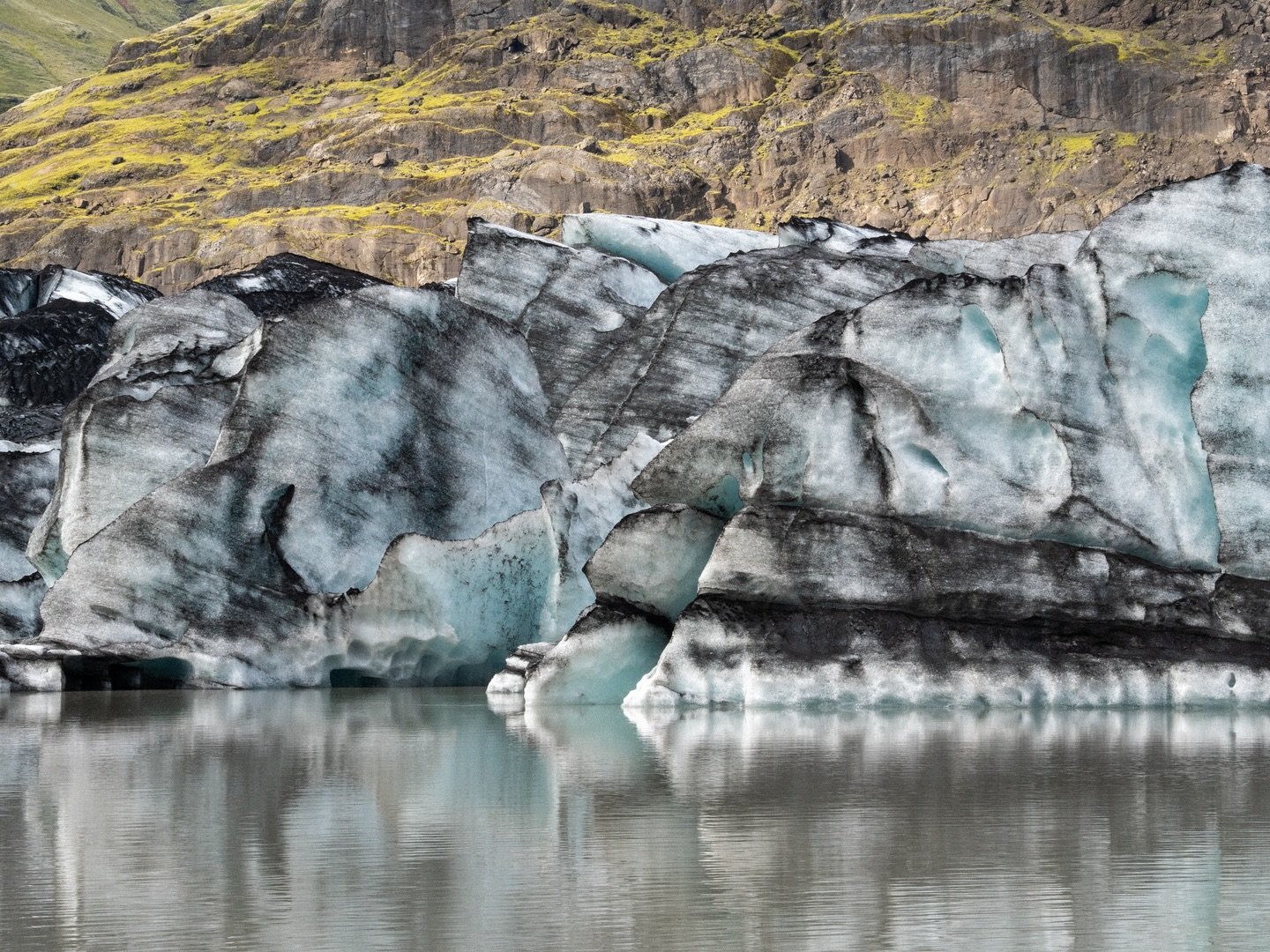
ICE TOPA: Learning About a Local Solution to Water Scarcity
In the high mountains of Gilgit-Baltistan, water is one of the most important resources for communities. Yet climate change is changing the availability and timing of water, creating growing challenges for households, agriculture and livelihoods.
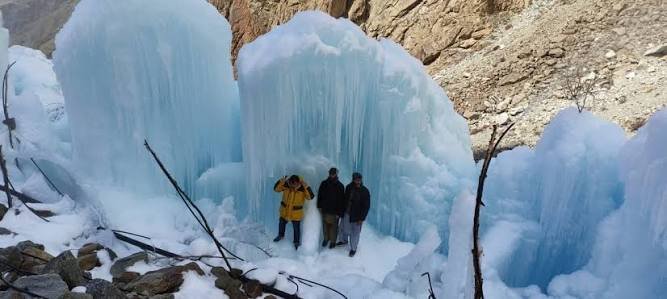
One locally developed response to this challenge is ICE TOPA, an artificial glacier created by freezing and storing water during the winter so that it can gradually melt and provide water during the warmer months.
As part of the Youth Empowerment Fund-supported project “Climate Resilience Through Youth Empowerment in Mountain Communities,” Youth Action for Next Generations (YANG) engaged young people to learn about this innovative climate adaptation approach.
Learning Through Community Visits
Because actual ICE TOPA construction depends on winter temperatures, the project adapted its approach during the current implementation period.
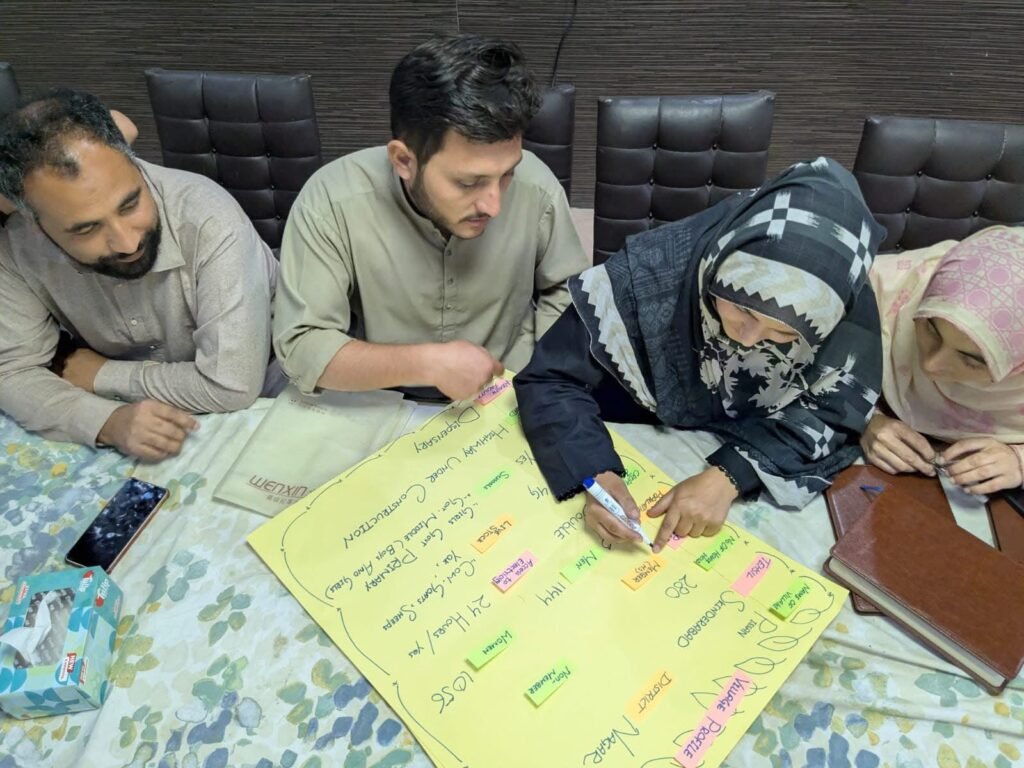
Instead of waiting for the winter construction season, the project team visited young people in target communities and provided training and practical guidance on ICE TOPA construction.
Youth learned about how artificial glaciers are developed, why they can be important for water conservation, and how community members can participate in climate adaptation initiatives.
Connecting Youth with Local Knowledge
The training was not only about understanding a technical solution. It was also about connecting young people with local knowledge and encouraging them to think about solutions that respond directly to the challenges faced by their communities.
For mountain communities, climate adaptation needs to consider local geography, traditional knowledge, available resources and community needs.
ICE TOPA provides an example of how communities can explore innovative approaches to address water insecurity while building local resilience.
Preparing for the Winter Season
The actual construction of ICE TOPA requires sufficiently cold winter conditions. Therefore, the project used the current period to build youth knowledge and prepare them for implementation during the appropriate season.
This approach allowed the project to continue its youth capacity-building objectives while respecting the environmental conditions required for construction.
Youth as Climate Solution Builders
The experience has reinforced an important lesson: young people should not only be invited to discuss climate change—they should be given opportunities to understand, test and promote solutions.
By learning about ICE TOPA and other locally relevant adaptation approaches, young people can become stronger advocates for water conservation and climate resilience in their communities.
For YANG, empowering mountain youth means helping them move from awareness to knowledge, and from knowledge to action.
User-Centered Design is not just a method—it’s a mindset. By focusing on user needs, businesses can create experiences that drive engagement, loyalty, and long-term success.